

Learning How to Use Freedom
Why retirement is often harder than we imagined
Retirement is often imagined as the reward at the end of our working years. The schedule opens up as the obligations that once filled each day cease. After years of alarms, schedules, and morning commutes, waking up without a plan can feel like the start of a long vacation. Yet the freedom people anticipate can bring an unexpected challenge. When the routines that once organized daily life disappear, the responsibility for shaping each day becomes entirely one’s own.
Working life provides the structure that organizes our days and focuses attention on what needs to be done. Once that disappears, many people discover that the freedom they imagined can give way to uncertainty about how to fill their days. The rhythm of working life is easy to take for granted. Deadlines, performance reviews, difficult colleagues, and the steady pressure of responsibility can make work feel burdensome. Yet beneath those frustrations lies something more profound. The set routines that guide us through each day. That shapes our attention and provides direction in ways we rarely notice while we are working. We often understand how much that structure was carrying only after it disappears.
At first, many retirees actually welcome the change. The early days of retirement can feel like a honeymoon. After years of not owning their own time, waking up without a schedule can feel like the start of a long vacation. But retirement is not time off. Vacations are restful because ordinary life is still there when you return. The job still awaits, and like it or not, the routines of daily life will resume when the vacation ends.
Retirement doesn't work like that.
Once the honeymoon phase ends, the absence of structure can leave a void. The responsibility for shaping each day becomes entirely one’s own. Many retirees eventually notice something else. The morning arrives and there is nowhere in particular they need to be. The calendar that was once filled now sits empty, which, in the absence of obligation, is exactly what many people imagined retirement would bring. Freedom, however, carries its own challenge. When each day begins without a defined structure, the challenge of how to spend time becomes greater, especially if work accounts for the majority of relationships and daily activities.
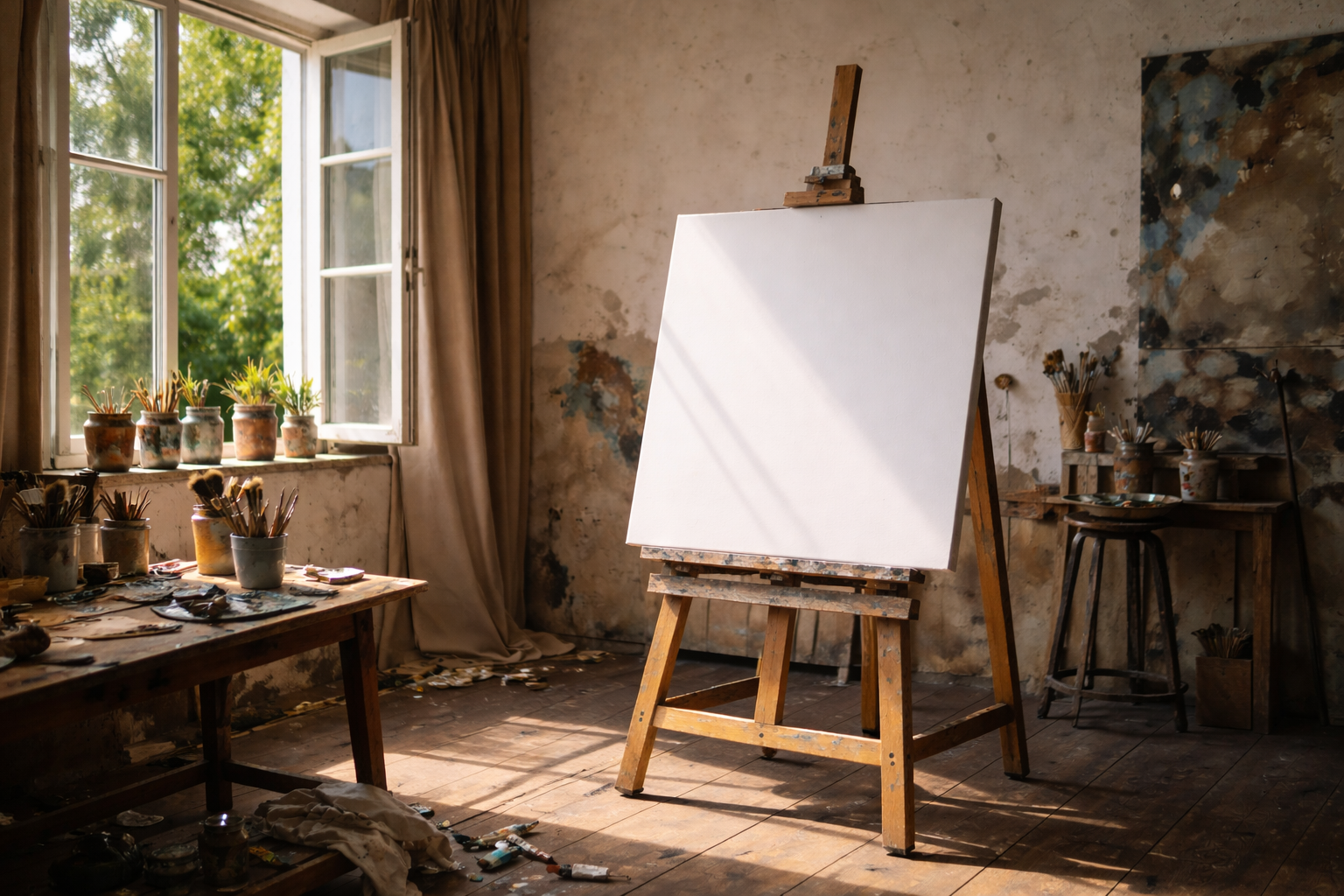
At that point, retirement can feel like standing before a blank canvas. A canvas promises possibility, but it also assumes the artist has some sense of what they hope to create. When that vision is unclear, the canvas can feel intimidating. Instead of possibility, it produces hesitation, because the open space demands attention to what life looks like after work. For many in the early stages of retirement, that has not yet been decided.
Financial planner Carl Richards suggests a simple way to understand how your life is being lived. Look at two things. Your calendar and your bank statement. The calendar shows where time has been spent. The bank statement reveals where money has been going. They often reveal what is truly going on in your life.
Most people can easily describe what they believe matters most. They talk about family, health, relationships, meaningful experiences, and time with the people they care about. Yet the calendar and the bank statement sometimes tell a slightly different story. They reveal how attention and resources have been spent. That awareness can feel uncomfortable, but it is also powerful. A vision for retirement rarely appears all at once. Seeing how time and attention are currently being spent provides a starting point. It allows a person to see whether those patterns reflect what they truly value.
Gradually, small intentional choices start to shape a new routine. Over time, many retirees realize that the goal was never to eliminate structure. It was to gain the freedom to choose it. Working life once organized the days almost automatically, and when that ends, the responsibility for shaping a new one can feel overwhelming, especially when the expectation was that stepping away would bring relief.
Freedom, in this sense, is not the absence of responsibility but the presence of it.
Retirement presents that opportunity in a deeply personal way. It returns the responsibility for creating it. Sometimes, that responsibility can feel overwhelming, but giving oneself grace to figure it out can create the space for it to develop. Retirement is not something that happens on its own. It is built over time, just like your working career.
Approaching it with intention and being reflective can help turn that empty canvas into a work of art.